← Solutions
Solution type

Configurators

Interactive systems in which users assemble product or space variants and see the result immediately in 3D. The primary focus is configuring the offer itself, rather than supporting the salesperson's complete workflow.

The problem it solves

With complex products, every colour, trim, size or option is rarely available in physical form. For industrial equipment or property that has not yet been built, the product itself may not be available to show at all. A configurator brings variants together in one digital model and helps users understand what the selected combination looks like and how it is structured.

When it makes sense
Presenting many product variants visually
Configuring vehicle models and equipment
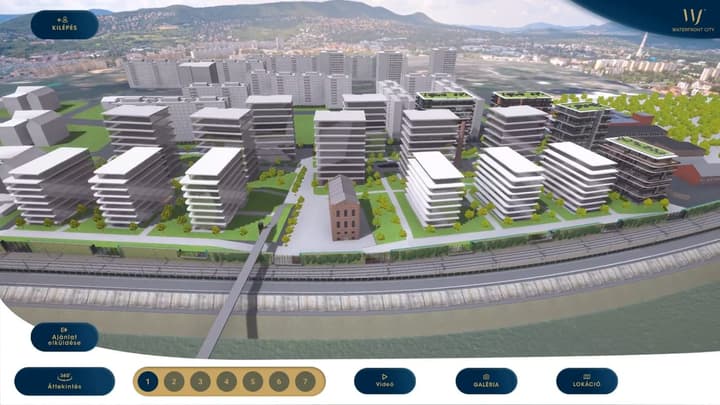
Presenting property and apartment options
Showing industrial-machine configurations
Selling products that are difficult to transport
Supporting exhibition or showroom presentations
Key benefits
Many products and options can be managed in one interface
The selected configuration becomes visible immediately
3D can expose details that are difficult to show physically
The need for physical samples can be reduced
The same concept can work on touchscreen, tablet or web
Configurations can feed into later sales processes
Limitations and design considerations

A configurator is only as reliable as its product data and configuration rules. With many variants, defining the data model can be a substantial task, while detailed 3D assets require production time and performance optimisation. Real-time prices, stock or compatibility data require integration with external systems. A large option set also needs careful UX so users are not overwhelmed.

Related technologies
Web3D3D modelingARVRTouchscreenCRM integration
Typical features
Real-time 3D configuration
Colour and material selection
Trim levels and options
Exterior and interior views
Variant comparison
AR or VR presentation
Configuration saving
Sales-system integration
Project examples
Q&A
When is a 3D configurator worth building?
It is useful when a product has many visually or technically meaningful variants that are impractical to show physically at the same time. Cars, property and industrial equipment are strong use cases because scale, form, interiors and structural details can all matter. If there are only a few simple options, a conventional web selector may be more appropriate.
Can a configurator connect to pricing or stock data?
Yes, provided there is a reliable backend system or API that exposes the required information. The visual configuration layer and business data can then be connected while remaining technically separate. The integration should define update frequency, error handling and what the user sees if the external service is temporarily unavailable.
Can the same configurator run on a touchscreen and on the web?
Core content and 3D assets can often be shared across platforms, but the interface still needs to suit each device. A large touchscreen, tablet and browser differ in viewing distance, performance and interaction patterns. Multi-platform delivery should therefore be established as a requirement at the beginning of the project rather than added at the end.
Start a configurator projectReferences