
Sales Systems
Digital tools that support the salesperson's workflow: consistent product presentation, structured conversations, data capture and connections to the wider sales process. A configurator can be one module, but it is not the whole system.
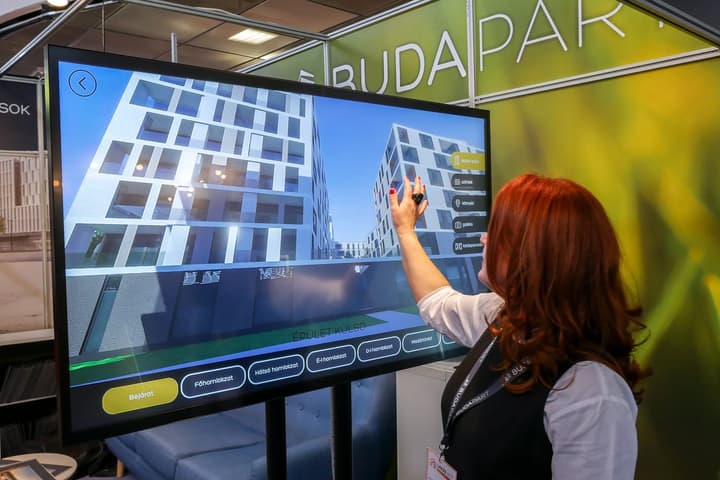 Touchscreen Sales Support Solution
Sales teams often work from separate presentations, PDFs, price lists and local files, making it difficult to ensure that everyone uses the same current material. In showrooms, field sales and exhibitions, reliable internet may also be unavailable. A unified sales system can bring presentation, interactive 3D, customer information and, where required, quoting or CRM steps into one controlled workflow.
A sales system only works if it fits the real sales process rather than adding another layer of administration. CRM and ERP integrations depend on available APIs, permissions and data quality. Offline operation needs clear synchronisation rules, while multi-device use requires version control. Without defined ownership and a content-update process, even a well-built application can become outdated quickly.
3D property sales system with apartment selection and project presentation.
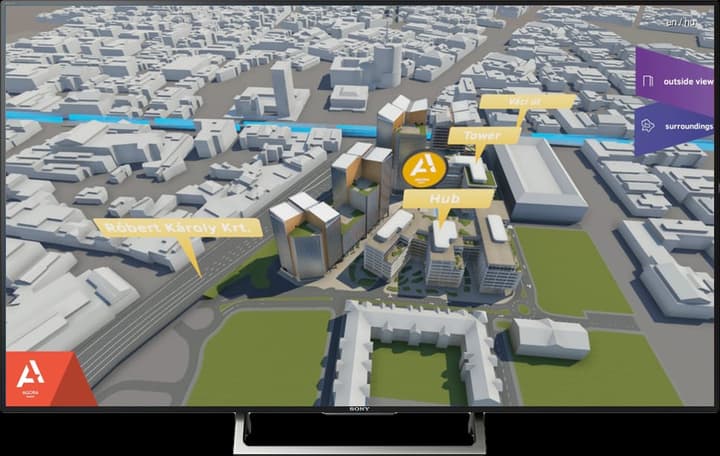
Digital property presentation application created for a showroom environment.
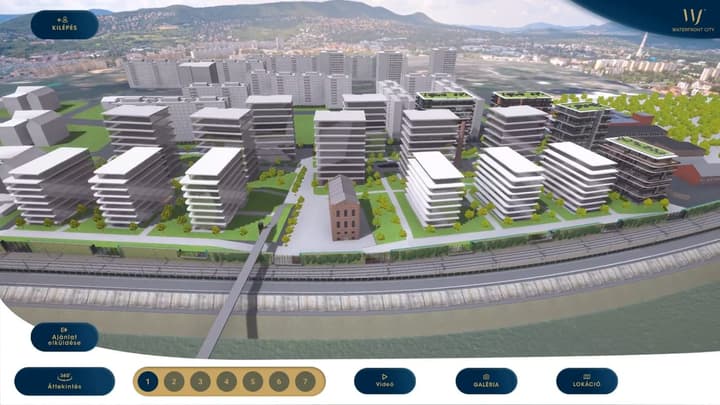
A 3D real estate sales system that lets buyers explore the still-under-construction Waterfront City apartment by apartment.

Mobile application supporting B2B sales for retail partners.
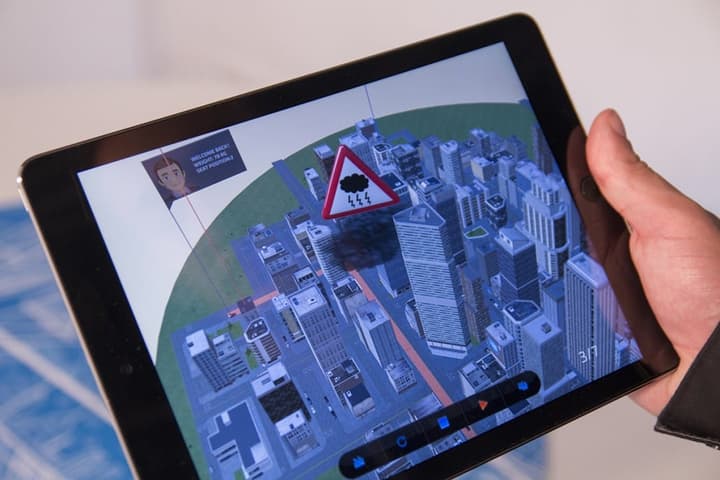
Exhibition sales presentation using an AR city and a presenter-controlled product story.

Touchscreen-based digital car showroom and configurator for Honda dealerships in Kuwait.