
Museum & Education Apps
Digital experiences that support understanding through discovery, interaction and visual reconstruction. Content can appear on touchscreens, mobile devices, in AR or VR, or through a digital guide.
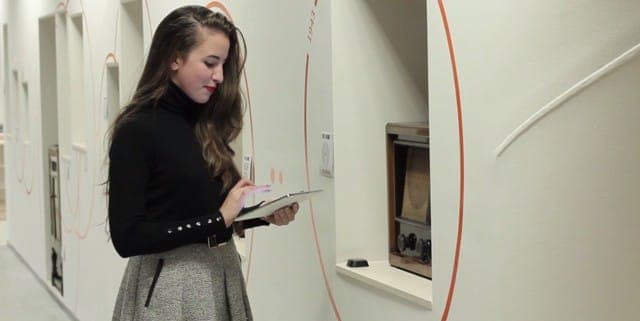 Samsung Museum App
Museums and learning spaces often need to explain something that is too small, too large, no longer exists, cannot be moved or is difficult to understand in its physical form. A digital layer can add operation, narrative and context around an object. The aim is not to replace the physical exhibition, but to extend it so visitors actively explore and can engage with content at different learning speeds.
Technology does not replace curatorial or educational design. Content needs to fit the visitor journey, target age group and available time. On-site devices require planning for continuous use, charging, cleaning, damage and simple restart procedures. AR depends on light and space, VR on throughput and comfort, while AI guides require carefully controlled source material.
Tablet museum system with beacons, AR and 3D content plus a central CMS.
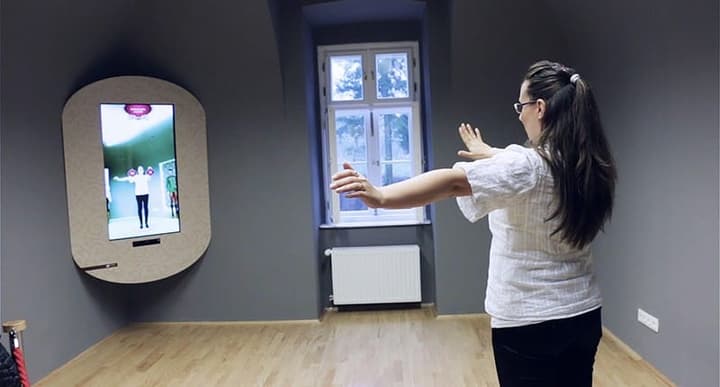
For the Dégenfeld Castle Museum in Baktalórántháza, commissioned by Innovatix Kft., we created an Augmented Reality (AR), a Virtual Reality (VR), and a Kinect-based application. Alongside the exhibition's traditional installations, visitors can now enjoy special, interactive attractions as well.
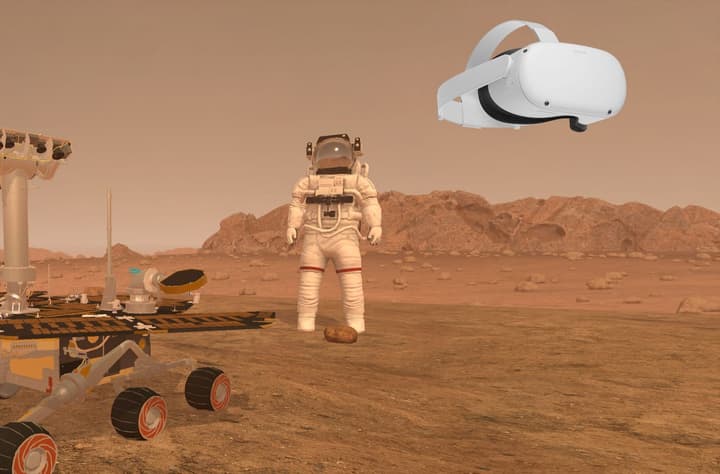
A Virtual Reality experience created for an exhibition
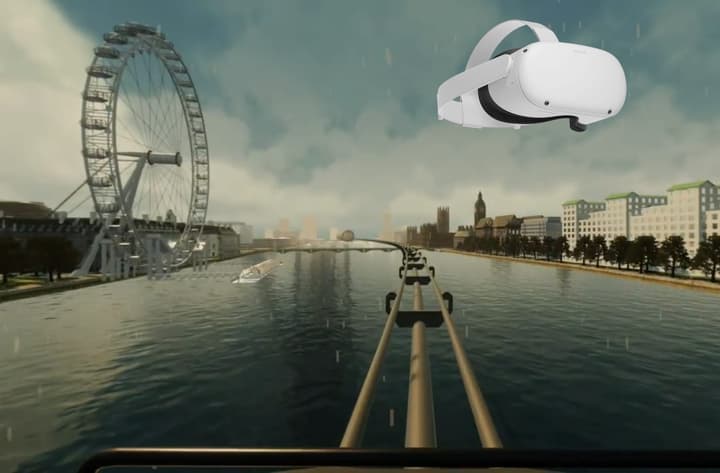
Let's jump to the future Nagyerdő in Debrecen, to the Grossglockner, or even to London, and see what it will look like if we don't change enough
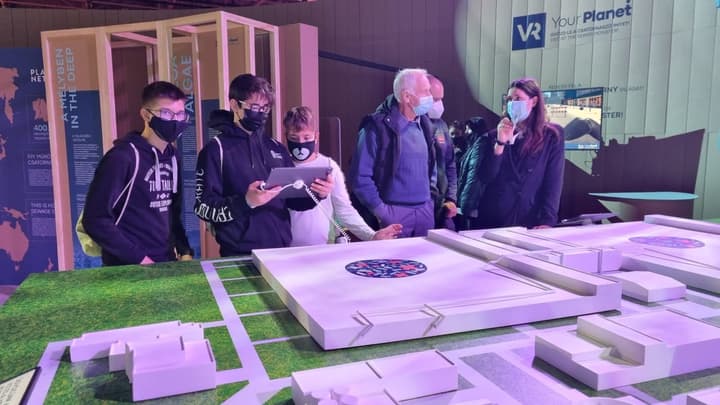
Bringing a water treatment plant model to life with Augmented Reality
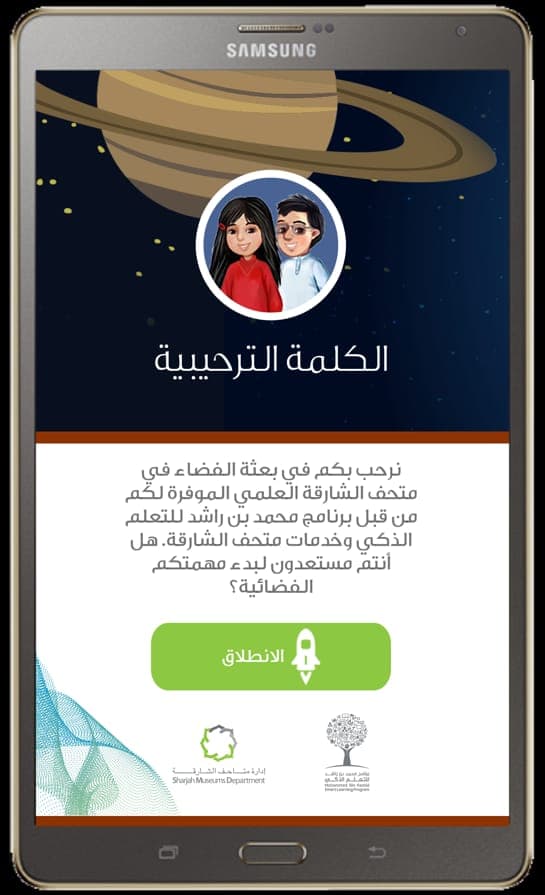
Mobile digital content developed for a science-museum environment.